Protected Case Study

IndiGo — Human Experience at Aviation Scale

This portfolio piece is shared selectively. Enter the access code to continue.

Incorrect code — try again.

  • Aviation
  • Phygital
  • DesignOps
  • Design System
  • May 2025 — present

Human Experience reset at aviation scale

Booking, check-in, IFE, BluChip — shipped journeys, not a rebrand deck. CLI/NPM design system, governed delivery ops, AI-assisted workflows — at a national carrier's pace.

  • 250% faster design cycle
  • 4 hero journeys shipped
  • 32 programs overseen
  • 12 hands-on contributions

B2C surface shown here · B2B & B2E available on request

Visuals & process How I drove it

A national carrier's digital experience, built without a blueprint.

Interglobe Aviation (IndiGo Airlines)  ·  Consultant Digital

Four journeys — booking, check-in, IFE, BluChip — grown independently, inconsistent, ungoverned. A design org fragmented across pods, agencies, and contractors, each with its own rituals.

The mandate: reset all priority journeys, build the ops model that sustains them, and do it at airline pace.

2,000+ Daily flights — every design decision lands at this operational tempo
~3 lakh Users per day across web, mobile, kiosks, IFE, and crew tools
5 surfaces Web, mobile app, airport kiosks, in-flight screens, crew-facing ops
1 org Internal pods, agency partners, TnM contractors — unified under one model

Two parallel rhythms. Sustained across all programs.

Discovery and delivery ran in lockstep: compressed BRD-to-wireframes, and hardened the DesignOps model that made speed sustainable. Both visible in the AI delivery section.

A — From BRD to wireframes

  1. 01 BRD Align scope, constraints, success signals with product & ops.
  2. 02 Logic Rules, edge cases, data dependencies — before pixels.
  3. 03 User flow Happy path + recovery; pressure-tested for operational tempo.
  4. 04 IA Hierarchy, navigation model, screen inventory (FigJam + Figma).
  5. 05 Wireframes Review-ready frames for dev sizing and content strategy.

B — DesignOps cadence (fleet-wide)

Intake & triage
DSM / tokens
Peer review
Ship with eng
Design CSAT loop

Six bets — real problem, specific action, measurable result.

Journeys

Four high-stakes paths, one quality bar

Problem: Booking, check-in, IFE, and BluChip had grown independently — inconsistent patterns, no shared review gate.

Action: Set a common interaction language, tightened funnel states with product and front-end leads, shipped in stages.

Result: Fewer support escalations, cleaner handoffs per sprint, a testable base for A/B experimentation.

DesignOps

From chaos to a 250% faster cycle

Problem: No shared cadence, no utilization visibility — partners operating to different quality bars.

Action: Daily DSM syncs, mandatory peer reviews, utilization dashboard, quality checkpoints extended to all partners.

Result: 250% improvement in delivery turnaround. Rework dropped because reviews caught issues early.

Design System

Figma to CLI to production — one system

Problem: Legal required distinct identities for flight vs. marketplace — no shared token layer, no developer handoff path.

Action: Built token-driven Figma DS in 4 weeks — then extended it as a CLI/NPM package so developers and AI agents could generate compliant UI in real time.

Result: Design shifted to DAT (Design Assessment Test) — validate output, measure the gap, report. Governance as a CI loop, not a gate.

Voice of Design

Closing the feedback loop

Problem: Post-delivery feedback was hallway comments and unthreaded chat — no structured signal.

Action: Introduced Design CSAT — product, business, and engineering score every major delivery.

Result: Evidence-based iteration; data became the basis for headcount and tooling investment.

Organization

Unifying a distributed team

Problem: Pods, agencies, TnM contracts — each with own rituals, file structures, and definition of done.

Action: Shared libraries, single review committee for major programs, structured onboarding for new partners.

Result: Partners ramped faster; quality stopped depending on which pod picked up the work.

Innovation

AI where it earns its place

Problem: AI untested against IndiGo's real constraints — brand governance, regulatory copy, multilingual requirements.

Action: Focused pilots: layout exploration, research synthesis, prototype generation — each with success criteria and a human review gate.

Result: A working playbook for where AI accelerates vs. where it creates risk at regulated brand scale.

32 programs overseen concurrently
12 hands-on individual contribution

This story covers the B2C surface. B2B (partner portals, travel tech integrations) and B2E (crew tools, ops dashboards) programs are a separate conversation — happy to walk through them.

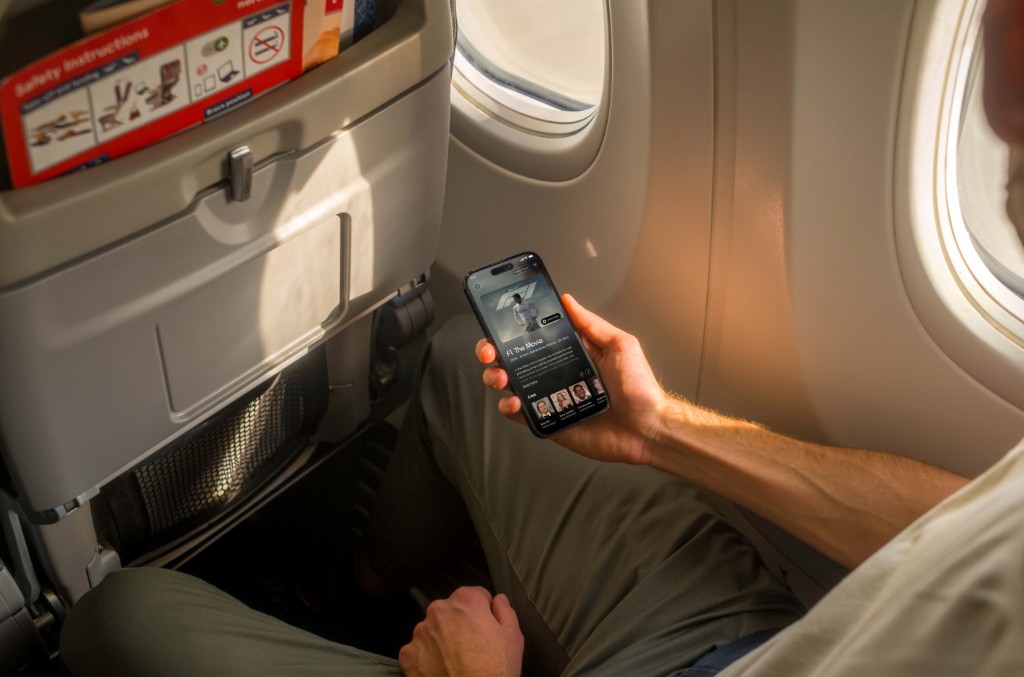
OTT-like experience at 35,000 ft.

Designed for the in-flight context — content-rich, offline-aware, and gesture-native. One of four phygital surfaces redesigned under a single interaction language.

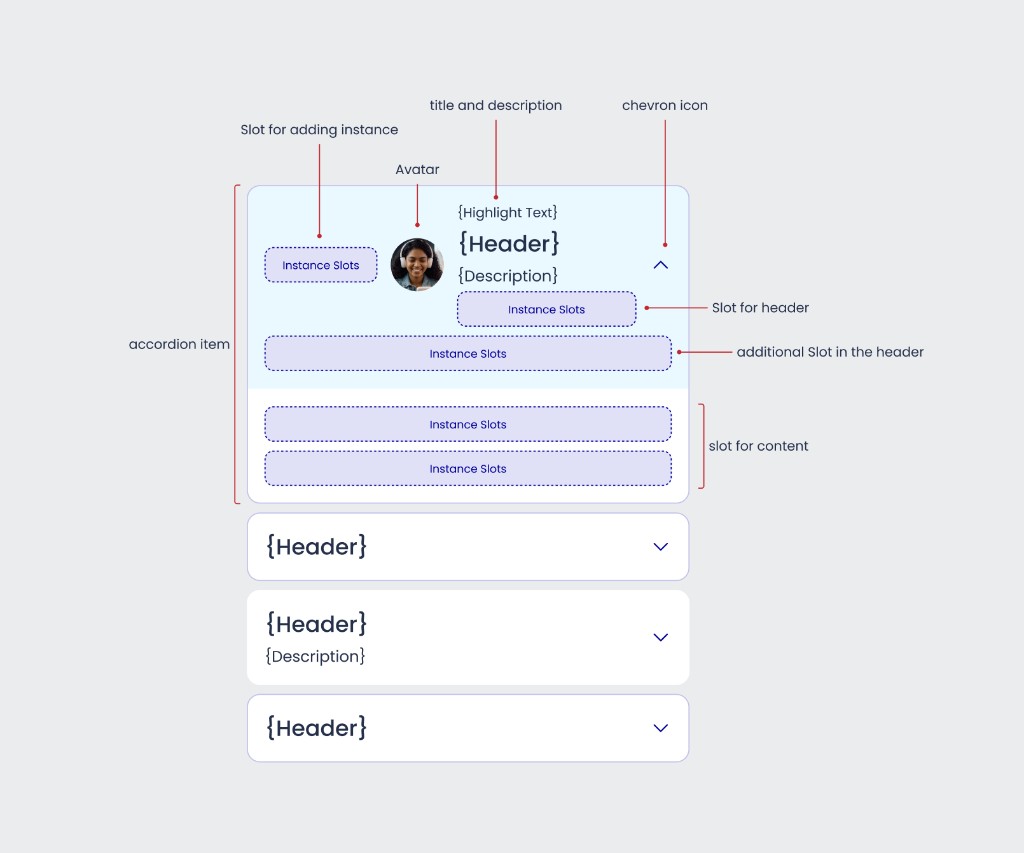
The legal mandate that became a design advantage.

A legal requirement — flight and marketplace must look distinct — became the forcing function to build IndiGo's first developer-facing design system. Built in Figma, then extended as a CLI/NPM package so developers and AI agents could generate compliant UI in real time. Design's job shifted from gating to assessing.

4 weeks Figma DS — concept to CDIO + CMO sign-off
CLI / NPM Developers & AI agents deploy compliant UI in real time
DAT Design Assessment Test — design validates output, reports gaps, iterates

Marketplace screens available on request — drop marketplace-02.png and marketplace-03.png to populate component and token views.

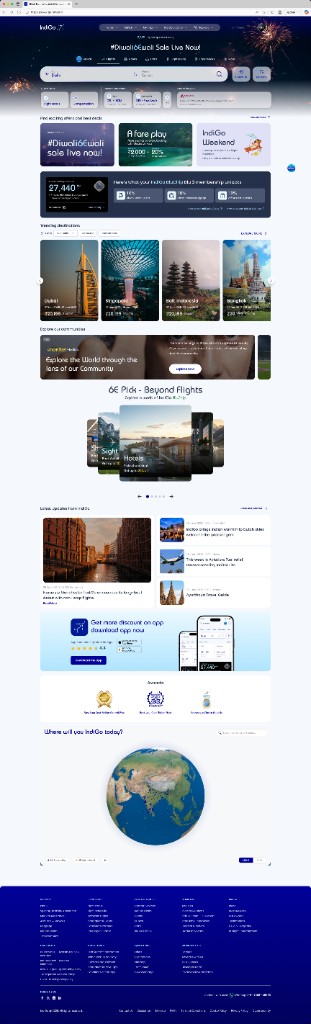
Screens, journeys, and systems — in context.

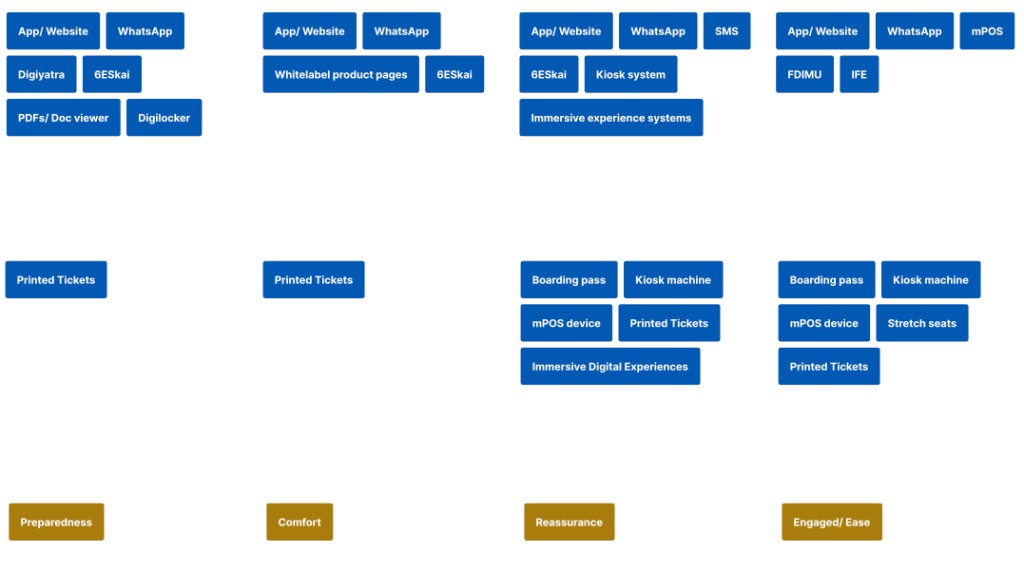
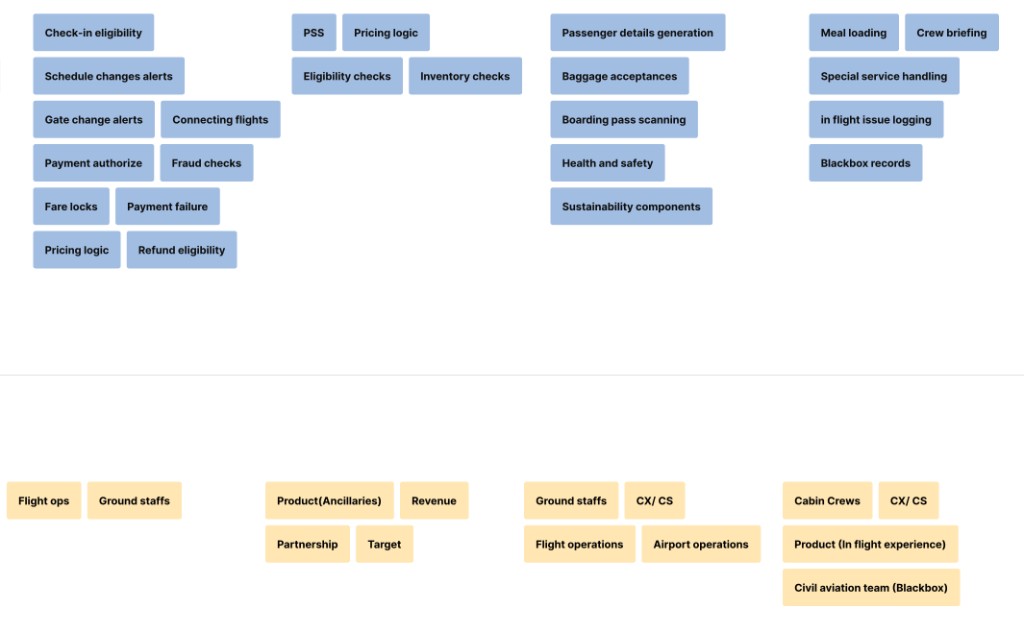
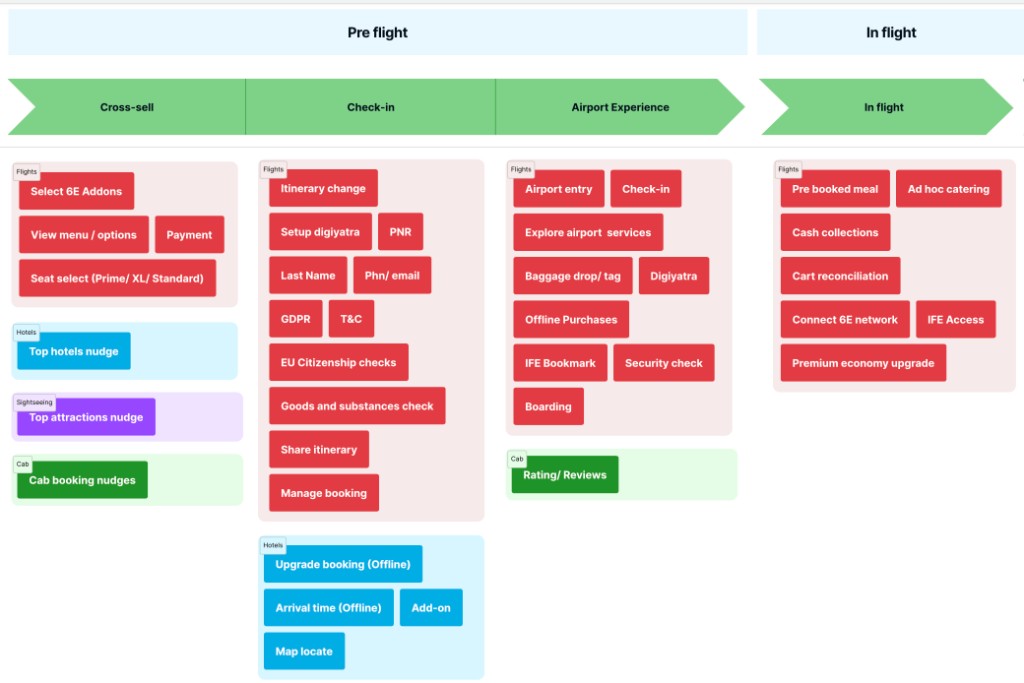
User Journey Map — B2C

Three layers of the full service blueprint. Download full UJM (PDF)

Process you can interrogate in an interview.

Two recordings of real AI-assisted workflows in action — not slides. Not prototypes. Actual delivery.

Catering Ops · AI-Assisted Handoff

Figma → production, without the noise

How AI-accelerated component thinking and design-to-dev handoff compressed the Figma-to-production cycle inside the Catering Ops program — closing the design-engineering gap at delivery pace.

Internal Booking OPs · AI-Assisted Process

BRD → wireframes, at speed

How AI-assisted synthesis moved from business requirements through logic, user flows, and IA to wireframes — compressing a process that used to take weeks into a fraction of the time.

Measurable outcomes, not just delivery.

250% faster design delivery cycle — after DesignOps

"Governance wasn't bureaucracy — it was how we bought back 250% speed without lowering the quality bar."

250% Faster delivery DSM syncs, peer reviews, utilization tracking, quality gates
4 Hero journeys shipped Booking, check-in, IFE, BluChip — shipped, not concepts
2K+ Daily flights Design decisions at airline scale — ~3L users daily
1 Unified design org Pods, partners, vendors — one model, shared review gates

Delivery speed

DesignOps cut review cycles and eliminated rework. Quality caught early, not after handoff.

Journeys shipped

Four high-stakes flows redesigned and shipped at airline cadence — shared interaction language, dev-ready handoff.

System foundation

Marketplace DS in 4 weeks — token-driven, Figma-native foundation for every future build from day one.

Org cohesion

Pods, agencies, contractors unified under one model. Quality stopped depending on which pod picked up the work.

The 250% figure reflects internal turnaround metrics post-DesignOps; detailed baselines remain confidential.

How I practice AI-first design leadership.

Personal builds that sharpen the same muscles hiring teams care about — Figma-to-production discipline, metrics-grounded rationale, and assistant-shaped interfaces.

Design rationale from data

Tooling to ingest analytics reports and use AI-assisted workflows for revamp vs. greenfield decisions.

Figma → structured output

CLI experiments generating DS artifacts from Figma components — tightening the designer-developer handoff loop.

High-fidelity mobile prototype

SwiftUI usability-test build aligned to Figma tokens — velocity and craft for airport-ready sessions.

Voice & multimodal UI

Voice-reactive interfaces with speech-to-text — exploring patterns from conversational search and AI assistants.

Each build uses a distinct AI-assisted workflow developed over the past year. Details kept for in-person conversations — they spark the most interesting interview discussions.

Aviation DNA in every digital product.

The design problems are structurally the same — only the brand changes.

Aviation E-Commerce equivalent
Booking funnel
Cart & checkout
Web & kiosk check-in
Account & identity management
Multi-gateway payment orchestration
Payments at scale — trust & error recovery
Native app revamp (Phoenix / SwiftUI)
Commerce app rebuild — mobile-first, token-driven
Marketplace Design System
Multi-team DS — governance, adoption, handoff
AI pilots in regulated delivery
AI in the workflow — not just the product

Continue the conversation

shreeransubhe.design@gmail.com  ·  +91 98333 99080  ·  LinkedIn  ·  shreeransubhe.design